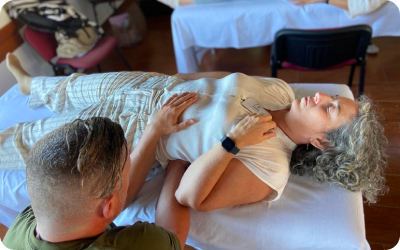
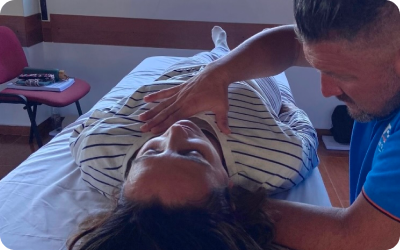
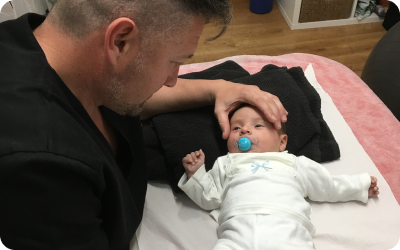
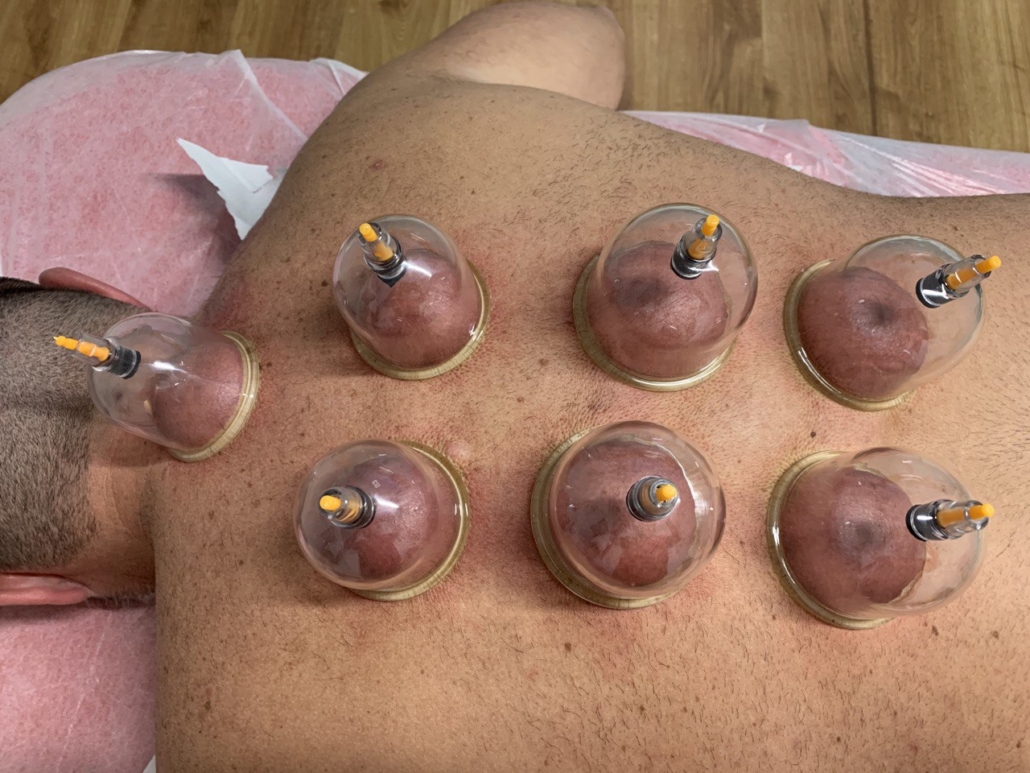
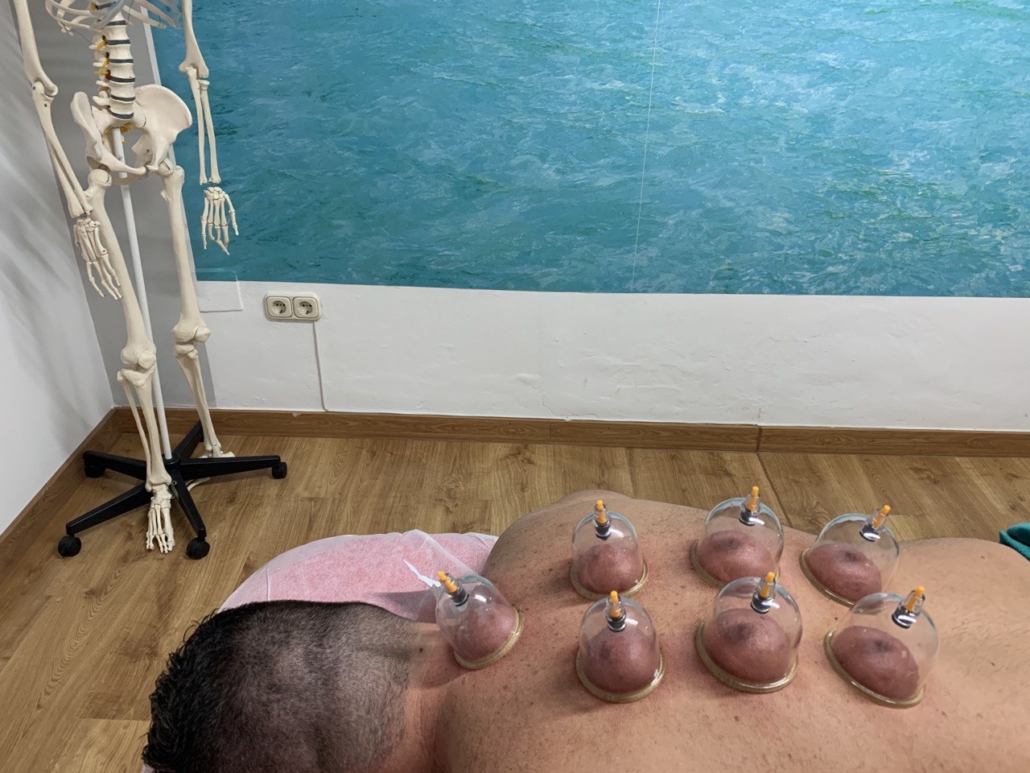
A small sample of our services and patients
Are you interested in our services?
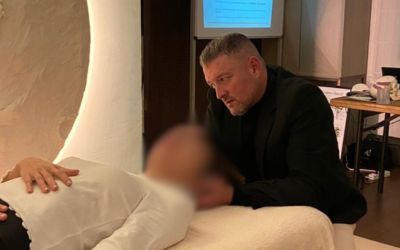
The path to motherhood and fatherhood can be one of the most exciting in life, but also one of the most challenging. At Osteo Fuengirola, we understand that each couple has their own unique needs and circumstances. That’s why we want to introduce you to a therapy backed by scientific research that is helping many families: Craniosacral Therapy (CST).
Let’s start at the beginning: What is Craniosacral Therapy?
Craniosacral Therapy is a gentle manual therapy developed by Dr. John Upledger that works with the body’s natural rhythms to promote self-regulation and well-being. According to research from the Upledger Institute1, this therapy is based on two fundamental principles:
- The body has an innate intelligence that can facilitate self-regulation processes
- Movement is health: when tissues, fluids, and body structures maintain their natural mobility, the body can function more efficiently
The Four Levels of Intervention in the Perinatal Period
When Salvador applies Craniosacral Therapy to the perinatal period, he works on four complementary levels based on the Upledger Institute approach2:
1. Physiological Level: Optimizing Physical Conditions
Restrictions in the musculoskeletal system can influence reproductive function. Research in manual therapy suggests that tensions in the sacral and pelvic region can affect circulation and innervation of reproductive organs3.
- Optimization of pelvic mobility
- Improvement of circulation in the reproductive region
- Release of tensions in the craniosacral system
- Balance of dural membranes
2. Emotional Level: Addressing the Psychosomatic Component
SomatoEmotional Release (SER) is a complementary technique developed within the craniosacral paradigm that can help process emotional tensions reflected in the body. Studies in psychoneuroimmunology suggest connections between emotional stress and reproductive function4.
- Deep relaxation techniques
- Reduction of chronic stress
- Support in emotional processing
- Improvement of autonomic nervous system response
3. Relational Level: Strengthening the Prenatal Bond
Research in perinatal neuroscience indicates that early mother-baby communication can begin before birth5. CST can provide a structured space for this early connection.
- Promotion of maternal relaxation
- Creation of a calm environment for connection
- Support for early bond development
- Facilitation of non-verbal communication
4. Integral Level: Holistic Approach to Well-being
The therapy considers the person as a whole, addressing physical, emotional, and environmental factors that may influence the reproductive and gestational process.
- Comprehensive evaluation of influencing factors
- Coordination with other healthcare professionals
- Personalized follow-up during the process
- Treatment adaptation according to evolution
Potential Benefits of Craniosacral Therapy
Although more specific research is needed in the reproductive field, available studies on craniosacral therapy6 and clinical experience suggest several potential benefits:
For Conception Preparation
- Optimization of autonomic nervous system function
- Improvement of pelvic circulation
- Reduction of chronic stress
- Support for natural hormonal balance
- Improvement of sleep quality
During Pregnancy
- Relief from musculoskeletal discomfort
- Improvement of postural adaptation
- Optimization of space for fetal growth
- Reduction of gestational anxiety
- Support for nausea and digestive discomfort
For Birth and Postpartum
- Biomechanical preparation for birth
- Support in postpartum recovery
- Gentle processing of the birth experience
- Support in establishing breastfeeding
- Relief from tensions due to new maternal posture
Salvador’s Methodology
Salvador has developed his methodology based on his training with the Upledger Institute and his clinical experience in different healthcare centers on the Costa del Sol. His approach includes:
- Comprehensive initial evaluation: Analysis of medical history, stress factors, and specific objectives of each client
- Individualized treatment: Adaptation of CST techniques according to specific needs and individual responses
- Interdisciplinary coordination: Collaboration with gynecologists, midwives, and other health professionals when appropriate
- Continuous follow-up: Monitoring of progress and adjustment of therapeutic plan according to evolution
- Educational approach: Information about self-care and complementary techniques
Frequently Asked Questions
Is Craniosacral Therapy safe during pregnancy?
Yes, CST uses very gentle and non-invasive techniques (with pressure equivalent to the weight of a coin). Salvador is specifically trained to work with pregnant women and adapts his techniques to each trimester. It is always recommended to inform your gynecologist about any complementary therapy.
How many sessions are usually necessary?
The number of sessions varies according to each individual case. For fertility support, Salvador typically works with a minimum of 4-6 sessions per person, evaluating individual response. During pregnancy, sessions can be monthly or according to specific need.
Should my partner also participate?
Salvador recommends treatment for both members of the couple when seeking support for conception, as various physical and emotional factors can influence both. Additionally, mutual support during the therapeutic process can be very beneficial.
Is it compatible with medical fertility treatments?
Yes, Craniosacral Therapy is complementary to conventional medical treatments. Salvador works in coordination with medical teams when appropriate, providing a comprehensive approach that can complement main treatments without interfering with them.
What can I expect in my first session?
The first session includes a detailed evaluation of your history, objectives, and current conditions. Subsequently, Salvador will perform a gentle manual assessment and begin treatment. Most people experience deep relaxation during sessions.
The Experience at Osteo Fuengirola and Collaborations
Salvador offers his services primarily at Osteo Fuengirola and collaborates with other specialized clinics on the Costa del Sol, providing geographic accessibility to his patients. His experience in different clinical settings has allowed him to develop an adaptable and effective approach.
In each center, Salvador maintains the same standards of quality and professionalism:
- Personalized evaluation of each client’s specific needs
- Adapted treatments for each stage of the reproductive process
- Holistic approach that considers multiple influencing factors
- Professional and relaxing environment conducive to therapy
- Active collaboration with other healthcare professionals when necessary
- Continuous training in the latest techniques and developments in CST
Book Your Initial Consultation with Salvador
Interested in exploring how Craniosacral Therapy can support your path to motherhood/fatherhood or complement your well-being during pregnancy?
Contact Osteo Fuengirola:
- Phone: [Your phone number]
- Email: [Your email address]
- Address: [Your complete address in Fuengirola]
- Web: www.osteofuengirola.com
Informative Initial Consultation:
Mention this article to receive detailed and personalized information about how Craniosacral Therapy can complement your fertility plan or support during pregnancy.
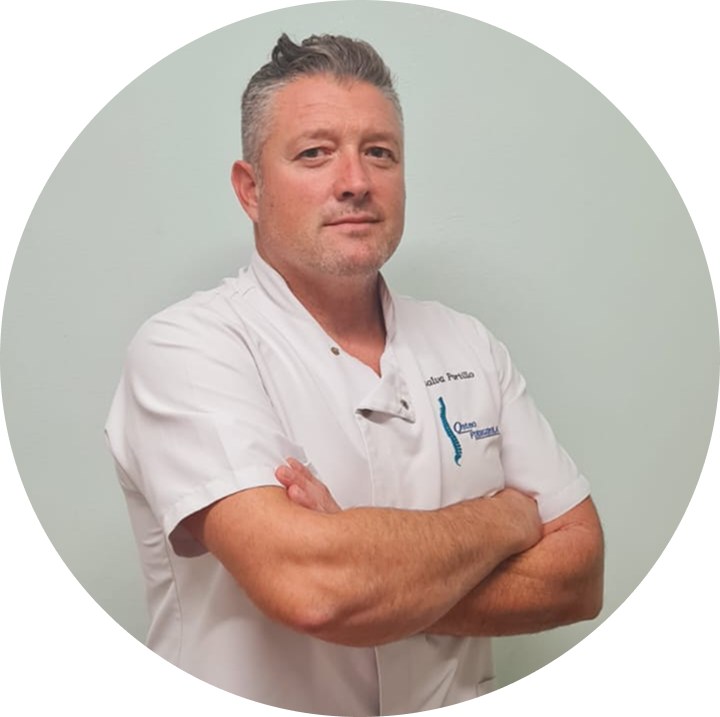
Salvador: Your Craniosacral Therapy Specialist
Salvador is a certified therapist in Craniosacral Therapy with extensive experience in the perinatal field. His specialized training with the Upledger Institute and his work in various clinics on the Costa del Sol have allowed him to develop a comprehensive approach that combines gentle manual techniques with deep knowledge of reproductive physiology.
Throughout his professional career, Salvador has collaborated with multidisciplinary teams in different healthcare centers, complementing traditional medical treatments with manual therapies that address physical and emotional aspects of the reproductive process. His methodology is based on available scientific evidence and the principles established by Dr. John Upledger, founder of this technique.
Scientific References
- Upledger, J.E. (1997). CranioSacral Therapy: Touchstone for Natural Healing. North Atlantic Books.
- Upledger Institute International. (2019). SomatoEmotional Release: Clinical Guidelines. https://www.upledger.com
- Green, C., Martin, C.W., Bassett, K., & Kazanjian, A. (1999). A systematic review of craniosacral therapy: biological plausibility, assessment reliability and clinical effectiveness. Complementary Therapies in Medicine, 7(4), 201-207.
- Weinstein, Ann Diamond. (2016). Prenatal development and parents’ lived experiences: how early events shape our psychophysiology and relationships. W.W. Norton & Company.
- McCarty, W. A. (2018). The Beauty of Fathering During Pregnancy: What Babies are Teaching Us. Pathways to Family Wellness Magazine, 58.
- Haller, H., Lauche, R., Cramer, H., Rampp, T., Saha, F. J., Ostermann, T., & Dobos, G. (2016). Craniosacral therapy for the treatment of chronic neck pain: a randomized sham-controlled trial. The Clinical Journal of Pain, 32(5), 441-449.
Important note: The information presented in this article is for educational purposes and does not replace professional medical advice. Always consult with your doctor before starting any complementary therapy, especially during pregnancy or when trying to conceive. Craniosacral Therapy should be considered as a complement, not as a substitute for conventional medical care.
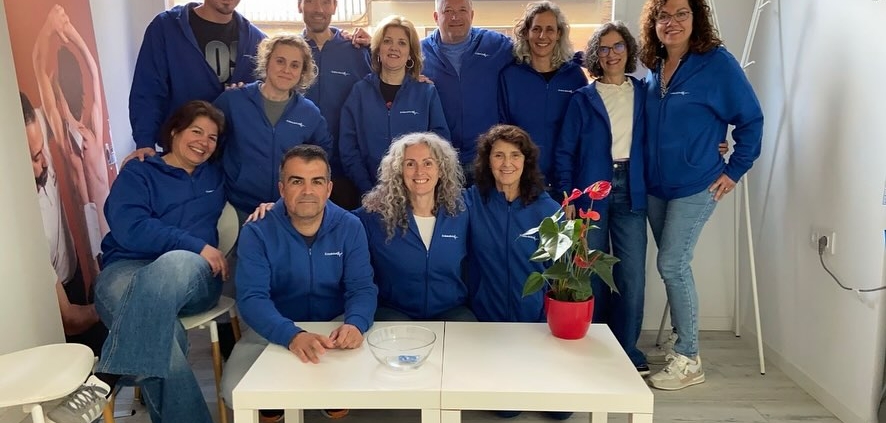
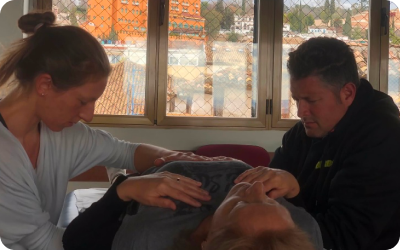
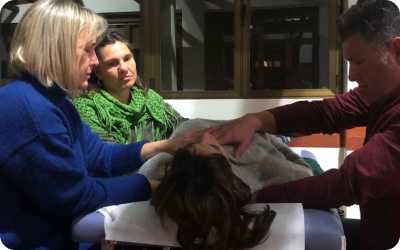
On October 29th, OsteoFuengirola had the honor of participating in a deeply human and transformative experience. Under the title ‘The rhythm of life’, a free trauma care program was carried out in Valencia, promoted by the Upledger Institute. This initiative brought together 50 therapists from different parts of the country, with a clear purpose: to offer support and relief to those affected by the recent floods in the Valencian Community.
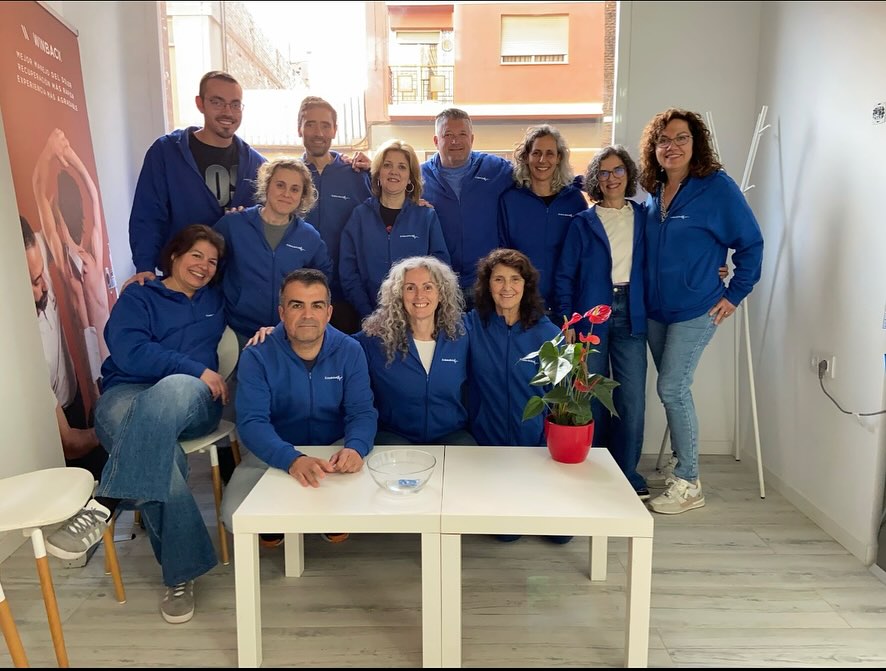
Throughout the day, the team of professionals put their knowledge, sensitivity, and vocation at the service of people who experienced difficult moments. The massage tables became spaces of listening, containment, and relief. Because when the body speaks from pain, manual therapy can be a powerful way to begin healing from within.
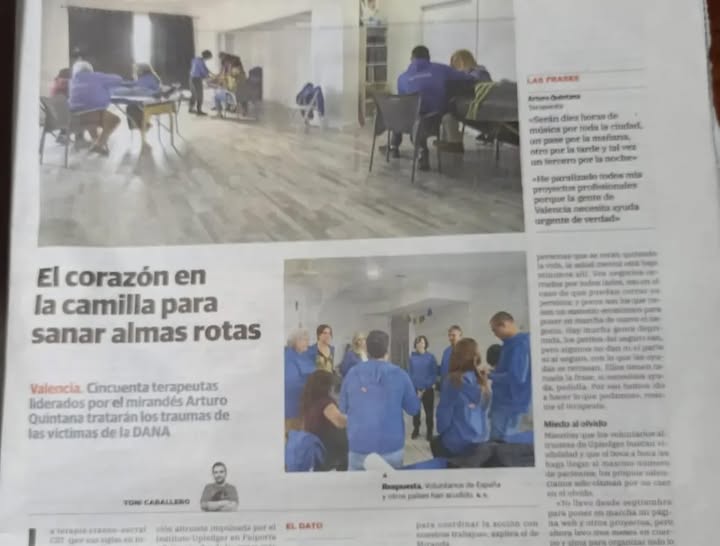
OsteoFuengirola, represented by our colleague Salva Portillo, proudly joined this altruistic cause, contributing our grain of sand on a day that not only relieved physical tensions but also sowed hope. This experience was also covered in the media, as a demonstration of the commitment of so many volunteers who decided to put their time, their energy, and their hearts at the service of others.
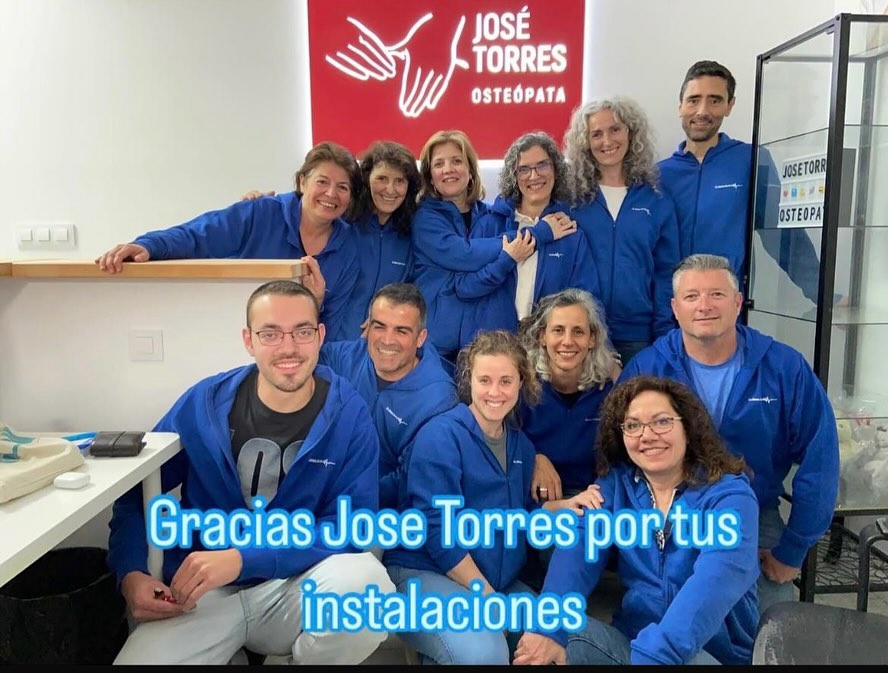
From here, we want to thank the magnificent osteopath José Torres for the space and hospitality, each of the fellow therapists for their dedication, and above all, the people who trusted in our hands to reconnect with their well-being.
Because health is also built with empathy, listening, and presence.

In craniosacral therapy and somato-emotional release, the closure of unfinished business is a profound process of emotional release. It allows the body and mind to let go of tensions, traumas, or trapped emotions that were not processed at the time.
What is unfinished business?
These are unresolved emotional experiences such as traumas, internal conflicts, or losses, which are stored in the body in the form of muscular tensions, energetic blockages, or unconscious postural patterns.
How do craniosacral therapy and somato-emotional release work?
1. Craniosacral therapy
It is a gentle manual technique that works on the craniosacral system (membranes and cerebrospinal fluid that protect the brain and spinal cord). It helps detect and release restrictions.
2. Somato-emotional release (SER)
Developed by Dr. John Upledger, it is based on the body’s capacity to store emotional memories and release them in a safe and empathetic environment.
How is unfinished business closed during a session?
During the session, sensations, images, or memories may emerge. The therapist accompanies without judgment, facilitating the expression and release of the emotion.
- Body awareness: the patient feels the area of tension.
- Emotional expression: sadness, fear, or anger may appear.
- Release: by expressing it, the tension begins to ease.
- Closure: the patient experiences a sensation of relief or clarity.
How do you know if closure has occurred?
- Sensation of lightness or deep rest
- More balanced craniosacral rhythm
- Spontaneous emotional understanding
- Expressions such as crying, laughter, or sighs without forcing
A path toward emotional balance
The closure of unfinished business not only releases the body from tensions, it also opens the door to emotional well-being and self-knowledge.
Would you like to live this experience?
At OsteoFuengirola we create a safe and therapeutic space where we accompany your healing process with respect and listening. Inquire about our somato-emotional release sessions and begin your inner transformation.
This post is also available in: Spanish